
Residential Septic Pumping: What Weaverville Homeowners Need to Know
Residential septic pumping is a routine maintenance task that every homeowner with a septic system needs to understand, and staying on top of it can prevent costly and unpleasant problems down the track. For households in Weaverville, NC, the mix of rural properties, older homes, and the region's clay-heavy soils can all influence how often a system may need attention. Understanding what this service involves, how often it should happen, and what warning signs to watch for can help homeowners keep their systems running safely for years.
What Is Residential Septic Pumping and Why Does It Matter?
Residential septic pumping removes accumulated solid waste, sludge, and scum from your tank before they cause system failures. Over time, solid waste naturally builds up at the bottom of a septic tank. If that build-up is not removed on a regular schedule, it can overflow into the drainfield, cause sewage to back up into the home, or create costly damage to system components. Routine pumping helps protect both the home and the surrounding environment, which is especially important in areas near streams and groundwater common throughout Western North Carolina.
How Often Should You Schedule a Pump-Out?
Most households may benefit from pumping every three to five years, though the right interval depends on several factors. Tank size, the number of people in the household, and daily water usage all play a role. A smaller tank serving a larger family may need attention more frequently, while a larger tank on a lower-use property may go longer between services. Residential septic pumping in Weaverville, NC, may also be influenced by soil conditions and the age of the system, so it is worth talking to a local professional about what schedule suits your property.
Key factors that can affect pumping frequency include:
▸Household size and daily water usage.
▸Tank capacity and age.
▸Whether a garbage disposal is in regular use.
▸The presence of roots near tank or drainfield lines.
▸Overall condition of the system components.
Warning Signs Your Tank May Need Attention Sooner
Sometimes a tank needs service before the scheduled interval. Watch for these indicators:
▸Slow drains throughout the house that do not respond to normal clearing.
▸Gurgling sounds from toilets or sinks.
▸Unpleasant odours near the drainfield or around the tank access point.
▸Wet or unusually green patches of grass over the drainfield area.
▸Sewage backing up into tubs, sinks, or toilets.
If any of these appear, it may be worth having the system inspected and pumped as soon as possible rather than waiting.
What Happens During a Professional Pump-Out?
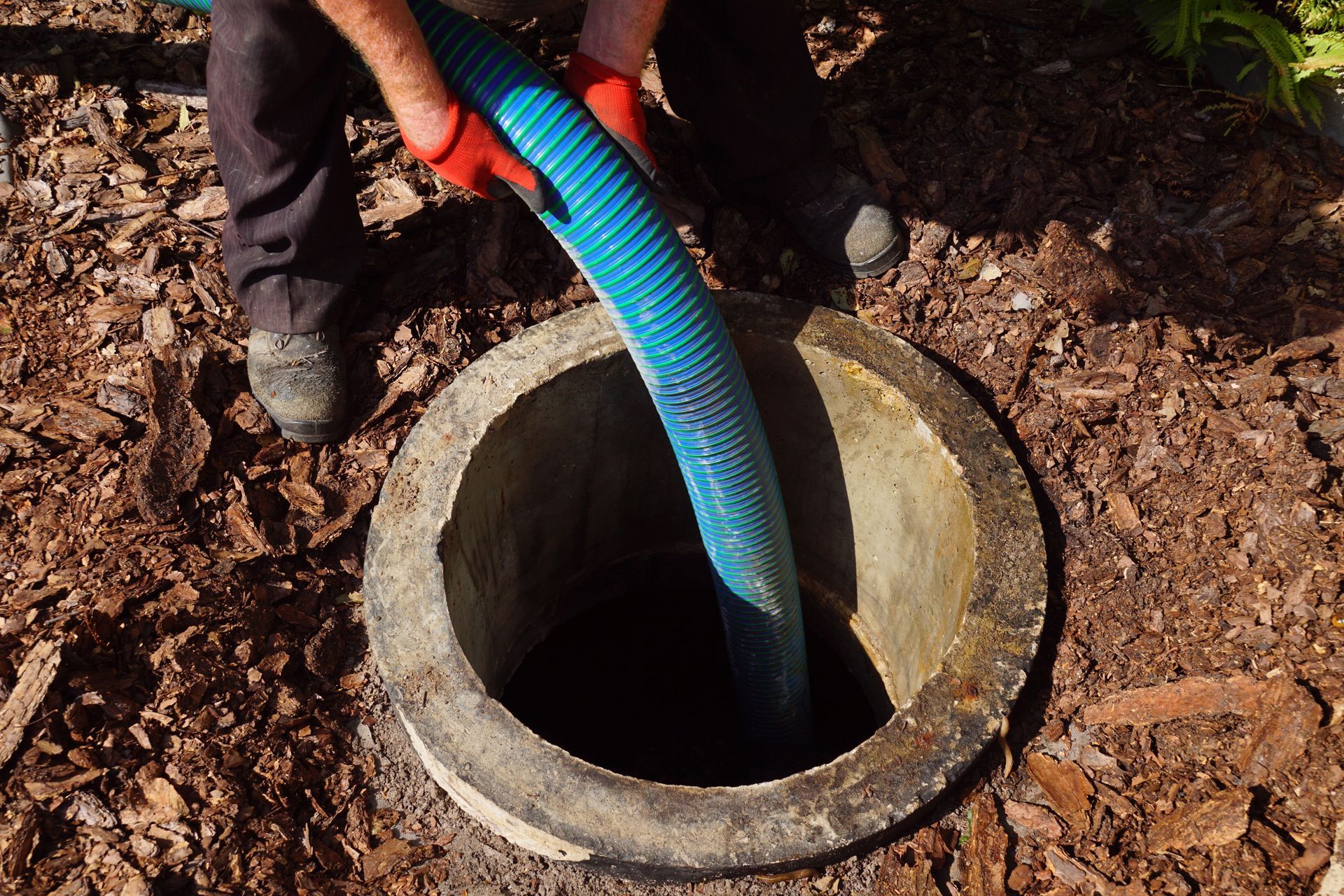
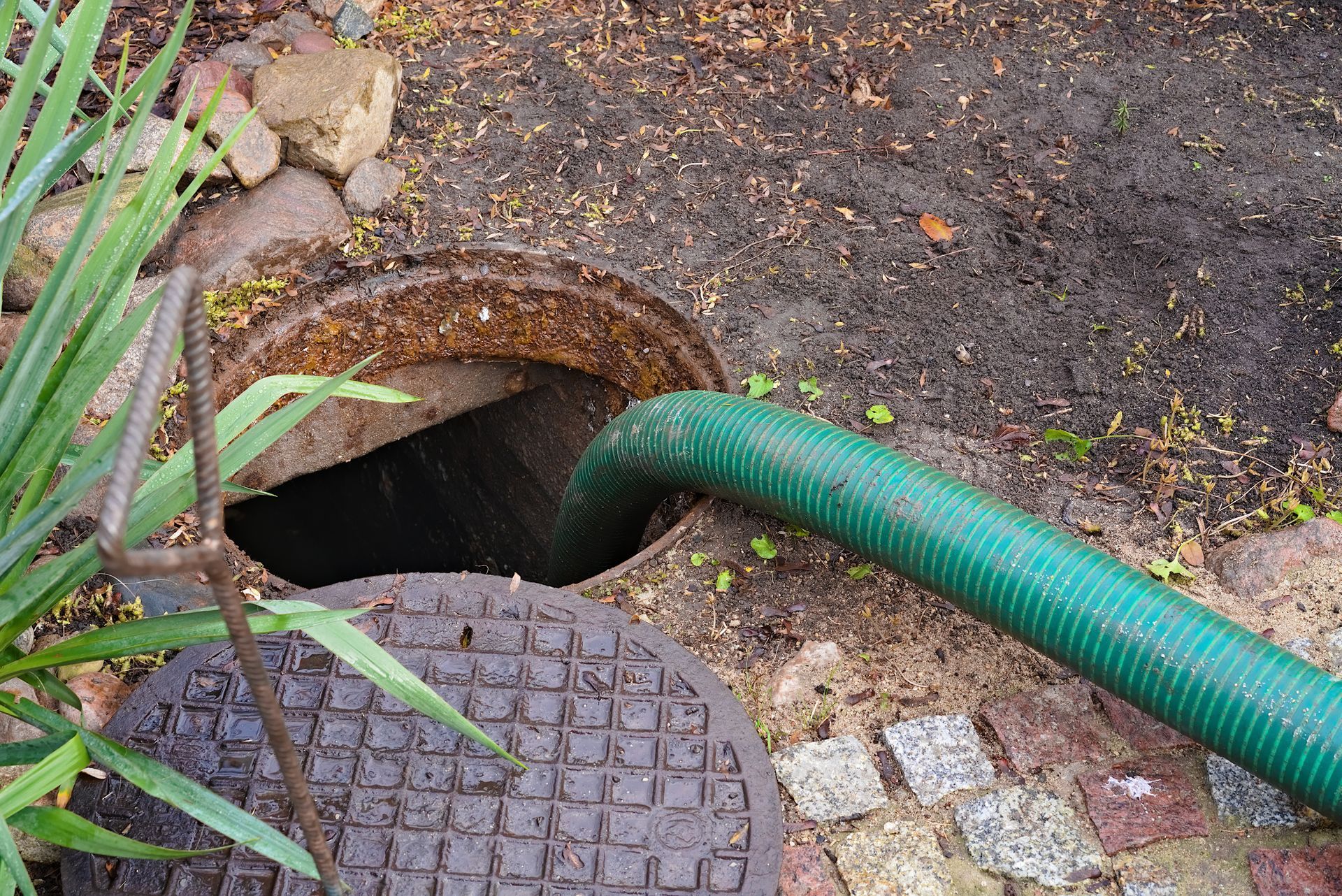
A professional pump-out involves more than simply emptying the tank. A qualified technician will locate and access the tank, remove accumulated waste safely using a vacuum truck, and inspect accessible components such as the outlet filter and sanitary tee for signs of wear or damage. Filters can become clogged over time, restricting flow and putting extra strain on the drainfield, so cleaning or replacing them during a pump-out is common practice. Responsible technicians will also dispose of waste in accordance with local regulations, which is important for protecting Weaverville's waterways and natural environment.
Ready to Schedule Residential Septic Pumping Near Weaverville?
Asheville-based Able Septic Tank Service proudly serves Weaverville and the surrounding communities. With decades of experience, the team provides reliable residential septic pumping services for homeowners throughout the region. To book a service or ask questions, visit the contact page or call (828) 254-1920 today. You can also find and review Able Septic Tank Service on Google.