
How Often Should You Schedule Septic Pumping? A Weaverville, NC, Homeowner's Guide
Knowing how often to schedule septic pumping for your Weaverville, NC, home can protect your property, your yard, and your family's health. Most homeowners think about their septic system only when something goes wrong. Getting ahead of the schedule is far easier and less costly than dealing with a backup or a failed drain field.
How Often Does a Septic Tank Actually Need to Be Pumped?
Most households benefit from septic pumping every three to five years. That guideline holds for a typical home, but the right interval depends on tank size, household size, and daily water use. A larger family using more water fills a tank faster, which means more frequent service may be necessary.
Here is a general reference by household size and common tank capacity:
- A 1,000-gallon tank serving one to two people can often go four to five years between pumpings.
- A 1,000-gallon tank serving three to four people typically needs pumping every three to four years.
- A 1,500-gallon tank serving four to six people may go three to five years depending on usage habits.
- Households with garbage disposals, frequent guests, or heavy laundry loads may need service more often.
Your technician can inspect sludge and scum layer depths during a service visit and help you dial in the right schedule for your specific system.
Why Weaverville and Buncombe County Homes May Need More Attention
Weaverville, NC, sits in Buncombe County at the edge of the Blue Ridge Mountains, and the local terrain creates real challenges for septic systems. Homes along Reems Creek Road, the Barnardsville corridor, and rural lots north of town often sit on steep slopes with limited flat ground for drain fields.
Buncombe County properties commonly have clay-heavy soils that drain slowly and reduce a drain field's ability to absorb effluent over time. Shallow bedrock is also common across the region, limiting how much soil is available to filter wastewater before it reaches groundwater. Because of these conditions, septic pumping in Weaverville is not something homeowners should delay.
Western North Carolina's mountain climate adds complexity. Wet springs can saturate drain fields, while freeze-thaw cycles stress older tank components. Older concrete tanks found on many rural properties can develop hairline cracks over time, driving up the rate at which tanks fill. Staying current on pumping reduces the risk that an already-challenged system gets pushed past its limit.
Many properties in and around Weaverville also use low-pressure pipe or drip dispersal systems because conventional gravity systems do not perform well on the county's rocky, steep terrain. These engineered systems are more sensitive to high sludge levels, so sticking to the shorter end of the pumping interval is the smarter move for mountain homeowners.
Signs Your Tank May Be Overdue for Service
Watch for these common indicators that septic pumping is overdue:
- Slow drains throughout the home, not just in one fixture.
- Gurgling sounds from toilets or sinks after flushing.
- Foul odors near the drain field or around the tank lid area.
- Wet, soggy patches of grass over the drain field, even in dry weather.
- Sewage backing up into the lowest drains in the home.
Any one of these signs warrants a prompt call to a septic professional. Waiting tends to turn a pumping visit into a more expensive repair.
Simple Habits That Help Your System Last Longer
Regular septic service works better when paired with good daily habits. Avoid flushing wipes, paper towels, medications, or grease down any drain. Spreading laundry loads across the week rather than doing everything in one day gives the tank time to process water. Keeping vehicles and heavy equipment off the drain field protects underground components from compaction.
A professional septic inspection can also catch small problems before they grow. Inspectors check tank condition, baffles, outlet filters, and drain field absorption, giving you a clear picture of where your system stands.
How Do I Know What Size Tank I Have?
Your tank size is often listed on your home's original building permit or in Buncombe County Environmental Health records. If those records are unavailable, a licensed technician can locate and measure the tank during a service visit.
Can I Pump My Septic Tank Myself?
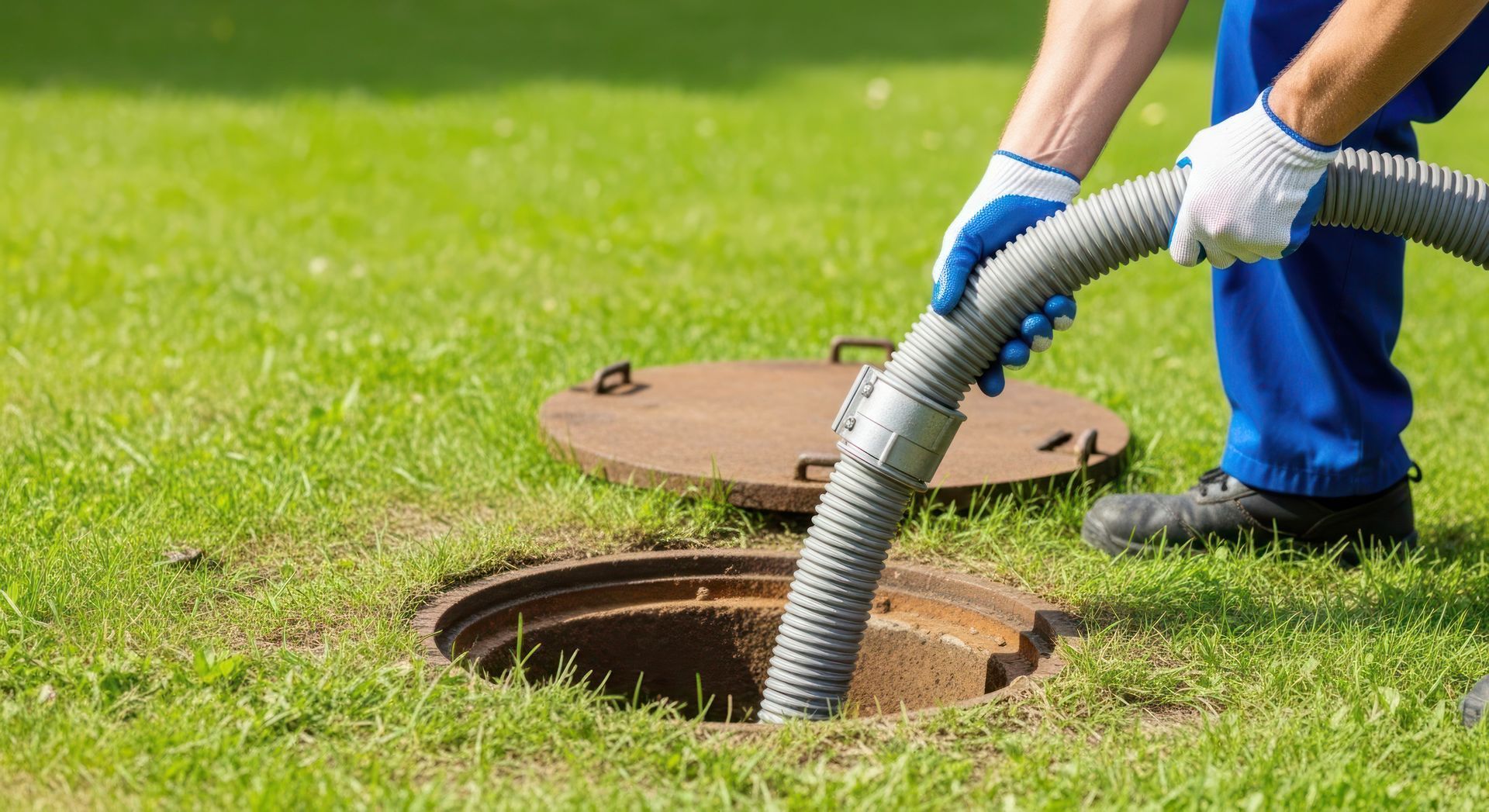
Septic pumping requires a licensed contractor with vacuum truck equipment and permitted waste disposal. Homeowners in North Carolina are required to use a licensed pumper for waste removal and disposal.
Does Heavy Rainfall Affect My Pumping Schedule?
Yes. Heavy rain saturates the soil around the drain field, slowing absorption and putting temporary stress on the system. Homes in Western North Carolina may benefit from scheduling service before the rainy season rather than after.
Schedule Your Service With the Area's Trusted Pros
Keeping up with regular septic pumping is one of the most cost-effective things a Weaverville homeowner can do. Able Septic Tank Service has been serving residential and commercial properties in the Asheville and Weaverville area since 1965, with NC-certified technicians and a long track record of reliable work. Call (828) 254-1920 to schedule your next service or request a free estimate. You can also reach out through the contact page to get started. Find us and read customer reviews on Able Septic Tank Service.